When planning a construction or renovation project, one of the most common—and stressful—questions homeowners and property managers face is: “How many quotes should I actually get?”
Get too few, and you might overpay or miss out on a better-suited professional. Get too many, and you risk analysis paralysis, wasted time, and frustrated contractors.
If you’re wondering about the magic number of quotes to collect before making your final decision, you’re in the right place. Here is your professional guide to navigating the contractor interview process in the construction industry.
The Short Answer: The “Rule of Three”
In the construction industry, the widely accepted best practice is to interview and obtain detailed quotes from exactly three contractors.
Here is why three is the sweet spot:
- Establishes a Baseline: The first quote gives you an idea of the scope and cost, but you have no context for whether it’s fair.
- Provides Comparison: The second quote allows you to compare pricing, timelines, and approaches.
- Reveals the Market Average: The third quote acts as a tiebreaker. It helps you identify outliers. If two contractors quote $15,000 and one quotes $8,000, you immediately know the lowest bid is likely cutting corners or missing critical scope items.
Why More Than Three Isn’t Always Better
While it might seem logical that more quotes equal a better decision, interviewing five, six, or more contractors often leads to diminishing returns.
- Analysis Paralysis: Too many variables (different materials, varying timelines, conflicting advice) can make it incredibly difficult to choose.
- Wasted Time: Reputable contractors invest significant time into site visits, material takeoffs, and drafting detailed proposals. Asking for too many quotes can be seen as disrespectful of their time, potentially making top-tier contractors less eager to work with you.
- Delayed Projects: The interviewing and bidding process takes time. Dragging it out unnecessarily pushes back your project start date.
What to Evaluate Beyond the Bottom Line
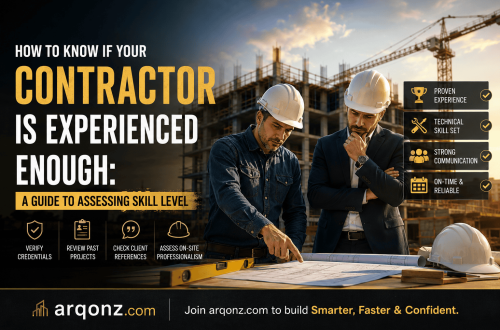
The lowest bid is rarely the best choice in construction. When reviewing your three quotes, evaluate the following critical factors:
1. Detail and Clarity of the Scope of Work
A professional quote should be highly detailed. It should break down labor, materials, permits, and a clear project timeline. Vague proposals like “Kitchen remodel: $20,000” are major red flags.
2. Licensing, Bonding, and Insurance
Never hire a contractor who cannot provide proof of current liability insurance and workers’ compensation. This protects you from financial liability if an accident occurs on your property.
3. Communication and Professionalism
Pay attention to how they interact with you during the interview. Do they listen to your vision? Do they answer your questions clearly and promptly? A construction project is a partnership; you need someone who communicates well, especially when unforeseen challenges arise.
4. References and Past Work
Ask for at least two to three recent references and, if possible, visit a completed project or an active job site. A confident contractor will be proud to showcase their work.
🚩 Red Flags to Watch Out For
As you narrow down your three candidates, immediately disqualify any contractor who exhibits these warning signs:
- The “Too Good to Be True” Bid: A quote significantly lower than the others usually means they are using subpar materials, lack proper insurance, or plan to hit you with change orders later.
- High-Pressure Tactics: Beware of contractors who demand a large deposit upfront or pressure you to sign a contract “today for a special discount.”
- Reluctance to Put Things in Writing: If a contractor says, “We can just work out the details as we go,” walk away. Everything must be in a written contract.
The Bottom Line
Getting three detailed, written quotes is the most effective way to balance thorough research with practical decision-making.
Remember, you are not just buying a service; you are inviting a professional into your home or business for weeks or even months. The goal of the interview process isn’t just to find the cheapest price—it’s to find a trustworthy, skilled, and communicative partner who will bring your construction vision to life safely and on budget.
Ready to start your next project? Take the time to interview three qualified professionals, ask the right questions, and choose the contractor who offers the best combination of value, expertise, and peace of mind.