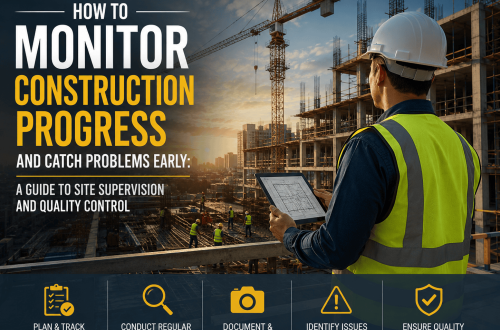
Building a new home or commercial property is one of the most significant investments you will ever make. While the excitement of seeing your vision come to life is unparalleled, it is often accompanied by a common, valid fear: What if the builder cuts corners?
In the construction industry, cutting corners can lead to structural vulnerabilities, costly repairs, and diminished property value. Ensuring quality standards is not about micromanaging every nail and screw; it is about establishing a framework of accountability, transparency, and rigorous oversight.
Whether you are a homeowner building your dream house or a developer managing a multi-unit project, here are five proven strategies to prevent your builder from cutting corners and guarantee that quality standards are met.
1. Draft a Bulletproof, Detailed Contract
The foundation of quality control begins long before the first shovel hits the dirt. A vague contract is a builder’s loophole. Your agreement must be exhaustive and specific.
- Specify Materials: Do not settle for phrases like “builder’s standard grade.” Specify exact brands, models, grades, and quantities of materials (e.g., “Sherwin-Williams Duration Exterior Paint” or “Type 1/2-inch Gypsum Board”).
- Define the Scope of Work: Clearly outline what is and isn’t included.
- Include Penalty Clauses: Establish clear consequences for delays or failure to meet agreed-upon quality benchmarks.
2. Tie Payments to Verified Milestones
Never agree to a payment schedule that is heavily front-loaded. A builder who has already received 80% of the payment has little financial incentive to maintain urgency or quality in the final phases.
- Implement Staged Payments: Structure the payment schedule around clearly defined, verifiable milestones (e.g., foundation poured, framing complete, rough-ins approved, final walkthrough).
- Withhold Retainage: Hold back a percentage (typically 5% to 10%) of each payment until the project is 100% complete and all punch-list items are resolved to your satisfaction.
3. Conduct Regular and Unannounced Site Visits
Your presence on the job site is one of the most effective deterrents to corner-cutting. You don’t need to be a construction expert to notice when things look amiss.
- Establish a Routine: Schedule weekly walkthroughs with your project manager or lead builder.
- Drop In Unannounced: Occasional, unannounced visits keep the crew accountable and ensure that safety and quality protocols are being followed daily, not just on “inspection days.”
- Look for Red Flags: Watch for poor site cleanliness, damaged materials left in the elements, or rushed workmanship.
4. Hire Independent Third-Party Inspectors
Even the most honest builders can have blind spots or rely on overworked subcontractors. An independent, licensed inspector works exclusively for you, not the builder.
- Schedule Critical Phase Inspections: Hire an inspector at key junctures: pre-pour (foundation), pre-drywall (framing, plumbing, electrical, and HVAC rough-ins), and a final comprehensive walkthrough.
- Leverage Their Expertise: Inspectors know local building codes inside and out. They can identify hidden issues—like improper load-bearing structures or inadequate insulation—that an untrained eye would easily miss.
5. Document Everything and Manage Change Orders Rigorously
Miscommunication is the breeding ground for compromised quality. If a decision isn’t documented, it didn’t happen.
- Require Written Change Orders: Any deviation from the original plan, whether initiated by you or the builder, must be documented in a formal change order detailing the cost, timeline impact, and exact material substitutions.
- Maintain a Daily Log: Encourage your builder to provide daily or weekly photo updates and progress reports. Modern construction management software (like Procore or Buildertrend) makes this seamless and transparent.
- Keep a Paper Trail: Save all emails, receipts, and signed documents. This protects you legally and ensures everyone is aligned on the project’s quality expectations.
The Bottom Line: Quality is an Investment, Not an Expense
Preventing a builder from cutting corners doesn’t mean adopting an adversarial relationship. In fact, professional builders welcome clients who are engaged, organized, and serious about quality. By setting clear expectations, maintaining vigilant oversight, and leveraging independent expertise, you create an environment where excellence is the only acceptable standard.
Remember, the true cost of cutting corners is always paid later—often with interest. Protect your investment by making quality assurance a non-negotiable pillar of your construction project.