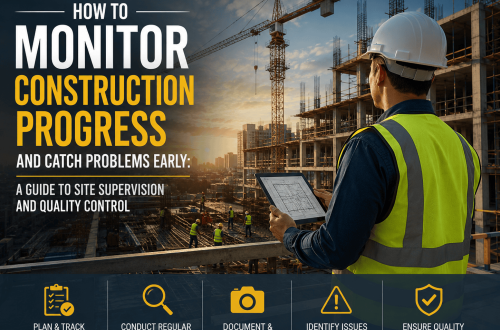
Building a new home is a complex orchestration of design, engineering, material procurement, and skilled labor. Even with the most experienced teams and meticulous planning, the reality of the construction industry is that mistakes happen. But how often do they occur, and more importantly, how can builders systematically mitigate these errors before they reach the homeowner?
For construction professionals, understanding the frequency and nature of new home defects is not about assigning blame—it is about assessing quality control (QC) and inspection needs to protect your reputation, reduce costly call-backs, and deliver a superior product.
The Reality of New Home Defects: How Often Do Mistakes Happen?
While catastrophic structural failures are exceedingly rare in modern, code-compliant construction, minor to moderate defects are surprisingly common. Industry observations and warranty data consistently indicate that a significant percentage of newly built homes require some level of post-closing repair or adjustment.
Common mistakes typically fall into a few categories:
- Cosmetic and Finishing Issues: Drywall imperfections, paint inconsistencies, and minor flooring flaws.
- Mechanical and System Errors: Improperly sealed plumbing joints, HVAC ductwork leaks, or electrical outlet miswiring.
- Envelope and Weatherproofing: Inadequate flashing around windows and doors, leading to potential moisture intrusion.
- Code and Specification Oversights: Deviations from approved blueprints or local building codes, often due to miscommunication between subcontractors.
These errors rarely stem from malicious intent or gross incompetence. Instead, they are usually the byproduct of systemic industry challenges.
Root Causes: Why Mistakes Occur on the Job Site
To fix a problem, you must first understand its origin. The most common catalysts for construction mistakes include:
- Labor Shortages and Turnover: A tight labor market means crews are stretched thin, and less experienced workers may be on-site, increasing the likelihood of oversights.
- Compressed Timelines: Aggressive project schedules can force crews to rush, leading to skipped steps or inadequate curing times.
- Subcontractor Coordination Gaps: When multiple trades work in silos without clear communication, critical details (like who is responsible for sealing a specific penetration) can fall through the cracks.
- Supply Chain Substitutions: Last-minute material changes can lead to installation errors if crews are unfamiliar with the new product’s specific requirements.
Assessing Your Quality Control (QC) Needs
Reactive quality management—waiting for a final “punch list” to catch errors—is a costly and inefficient strategy. Modern builders must shift toward proactive Quality Assurance (QA). Assessing your QC needs involves asking a few critical questions:
- Are our standards clearly documented? Vague expectations lead to varied results. Detailed, trade-specific checklists should be standard operating procedure.
- Is there dedicated site supervision? A project manager or superintendent cannot effectively oversee quality if they are solely focused on scheduling and logistics. Dedicated QC personnel or phased self-inspections are vital.
- Are we leveraging technology? Digital construction management software allows superintendents to log issues with photos, assign them to specific subcontractors in real-time, and track resolution before the next trade arrives.
The Critical Role of Phased Inspections
Inspections are the backbone of any robust quality control strategy. Relying solely on municipal building inspections is insufficient, as city inspectors are primarily checking for minimum code compliance, not craftsmanship or builder-specific standards.
To truly safeguard quality, builders should implement a multi-tiered inspection protocol:
- Pre-Drywall (Framing) Inspection: This is the most critical phase. Once the drywall is up, plumbing, electrical, and framing issues are hidden and exponentially more expensive to fix. A thorough pre-drywall inspection ensures proper nailing patterns, correct routing of MEP (mechanical, electrical, plumbing) systems, and accurate framing dimensions.
- Pre-Finish Inspection: Conducted after insulation and drywall are complete, but before trim and paint. This catches drywall flaws, ensures insulation is properly installed without gaps, and verifies that all rough-in systems are fully functional.
- Final Orientation and Walkthrough: A collaborative walkthrough with the homeowner prior to closing. Addressing minor cosmetic issues here builds trust and prevents them from escalating into formal warranty claims.
- Third-Party Inspections: Engaging an independent, licensed home inspector at the pre-drywall and final stages provides an unbiased set of eyes. While some builders view this as an admission of weakness, top-tier builders use it as a powerful marketing tool and a final safety net to guarantee their own high standards.
Actionable Strategies for the Modern Builder
If you want to reduce mistakes and elevate your build quality, consider implementing these best practices:
- Foster a “Culture of Quality”: Quality is not just the QC manager’s job; it is everyone’s responsibility. Incentivize subcontractors for zero-defect milestones rather than just penalizing them for failures.
- Standardize Digital Checklists: Replace paper clipboards with mobile-friendly QA/QC apps. This ensures that every home, regardless of which superintendent is on-site, undergoes the exact same rigorous evaluation.
- Conduct Post-Mortem Reviews: When a mistake does slip through to the homeowner, don’t just fix it. Analyze why it happened and update your processes to ensure it doesn’t happen on the next build.
- Invest in Subcontractor Onboarding: Ensure every trade partner understands your specific quality standards, preferred installation methods, and communication protocols before they step foot on the job site
Conclusion
Mistakes in new home construction are an inevitable reality of a complex, human-driven industry. However, their frequency and severity are entirely within a builder’s control. By shifting from reactive punch-list management to proactive, phased quality control and rigorous inspection protocols, builders can dramatically reduce defects.
In today’s competitive housing market, a reputation for meticulous quality and transparent communication is your most valuable asset. Investing in robust QC and inspection processes isn’t just about avoiding costly call-backs—it’s about building trust, one home at a time.