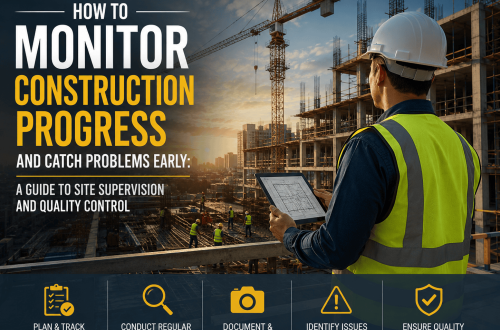
Meta Description: Discover the critical phases of home construction inspections and learn actionable strategies to catch errors early, saving you time, money, and costly repairs down the line.
Building a new home is one of the most significant investments you will ever make. While the prospect of a custom-built dream home is exciting, the construction process is complex and fraught with opportunities for human error. Whether you are a homeowner, a prospective buyer, or a construction professional, knowing what to look for during home construction inspections is the key to ensuring structural integrity, code compliance, and long-term durability.
The secret to a flawless build isn’t just about fixing problems at the end—it’s about how to catch errors early. Here is your comprehensive, phase-by-phase guide to construction inspections and proactive error detection.
Phase 1: The Foundation Inspection (Pre-Pour and Post-Pour)
The foundation is the literal and figurative backbone of your home. Errors here are the most expensive and difficult to fix later.
- What to Look For:
- Soil Preparation: Ensure the ground has been properly graded and compacted to prevent future settling.
- Rebar and Reinforcement: Verify that steel rebar or mesh is correctly spaced, tied, and elevated off the ground (using chairs) before the concrete is poured.
- Formwork and Leveling: Check that forms are straight, secure, and level.
- Moisture Barriers: Ensure a proper vapor barrier is installed beneath the slab to prevent moisture wicking.
- How to Catch Errors Early: Do not wait until the concrete is poured. Conduct a pre-pour walkthrough with your builder and inspector to verify all underground plumbing and electrical conduits are correctly placed and pressure-tested.
Phase 2: The Framing Inspection
Once the foundation is set, the skeleton of the house goes up. This phase dictates the home’s structural soundness and the alignment of all future finishes.
- What to Look For:
- Plumb and Level: Walls should be perfectly vertical (plumb), and floors should be level. Use a laser level or a simple 4-foot level to spot-check.
- Proper Spacing: Verify that studs, joists, and rafters are spaced according to the engineered plans (typically 16 or 24 inches on center).
- Hardware and Connections: Look for properly installed joist hangers, hurricane ties, and anchor bolts. Nails should not be over-driven or missing.
- Straightness: Check for bowed or twisted lumber, which can cause drywall cracks and uneven floors later.
- How to Catch Errors Early: Walk the perimeter and interior before any insulation or drywall is ordered. Take timestamped photos of wall cavities, window headers, and load-bearing connections for your records.
Phase 3: Rough-In Inspections (MEP: Mechanical, Electrical, Plumbing)
Before the walls are closed up, the home’s vital systems are installed. This is a critical checkpoint for safety and functionality.
- What to Look For:
- Electrical: Verify that wiring is properly secured, protected by nail plates where it passes through studs, and that the electrical panel is correctly sized for the home’s load. expect proper grounding.
- Plumbing: Ensure drain, waste, and vent (DWV) pipes have the correct slope (typically 1/4 inch per foot) and are securely strapped. Look for signs of leaks during pressure tests.
- HVAC: Check that ductwork is properly sealed (mastic or metal-backed tape, not standard duct tape) and that returns and supplies are routed efficiently without sharp kinks.
- How to Catch Errors Early: Require the subcontractors to perform and document pressure tests (plumbing) and megger tests (electrical) before the municipal inspector arrives. Address failed tests immediately rather than hoping they pass on a second try.
Phase 4: Pre-Drywall and Insulation Inspection
This is your last chance to see what is happening inside the walls. Once drywall is up, identifying a misplaced pipe or missing insulation becomes a destructive and costly process.
- What to Look For:
- Insulation: Ensure there are no gaps, compressions, or voids in the batts or spray foam, especially around windows, doors, and electrical boxes.
- Flashing and Weatherproofing: Verify that windows and doors have proper flashing and house wrap installed to prevent water intrusion.
- Fire Blocking: Check that fire blocks are installed in wall cavities between floors and around chimneys to prevent the spread of fire and drafts.
- How to Catch Errors Early: Conduct a “blue tape” walkthrough. Use blue painter’s tape to mark any areas where insulation is missing, framing is damaged, or plumbing is too close to the drywall plane.
Phase 5: The Final Walkthrough (Punch List)
The home is nearly complete, but the devil is in the details. This inspection ensures the builder has delivered the quality promised in the contract.
- What to Look For:
- Exterior: Check roof shingles, siding alignment, gutter installation, and most importantly, grading. The soil should slope away from the foundation to direct water runoff.
- Interior: Test every door, window, cabinet hinge, and appliance. Look for uneven gaps in trim, poorly taped drywall seams, and scratched finishes.
- Systems: Run the HVAC, test all GFCI outlets, flush every toilet, and check water pressure at every faucet.
- How to Catch Errors Early: Do not rush this phase. Create a detailed, itemized punch list. Do not make the final payment or close on the home until critical safety and structural items on the punch list are resolved.
4 Pro Strategies to Catch Errors Early
- Hire an Independent Third-Party Inspector: Municipal building inspectors work for the city, ensuring minimum code compliance. They are not there to protect your investment. Hire a licensed, independent construction inspector who works exclusively for you at each major phase.
- Maintain a Paper Trail: Keep a dedicated binder or digital folder with all plans, change orders, inspection reports, and photos. If something looks wrong, you can immediately reference the approved blueprints.
- Foster Open Communication: Build a collaborative, not adversarial, relationship with your general contractor. Frame your questions as, “Can you help me understand how this meets the spec?” rather than “You did this wrong.” Good builders welcome informed clients.
- Know Your Local Building Codes: You don’t need to be a code expert, but familiarizing yourself with basic local requirements (e.g., egress window sizes, GFCI placement) empowers you to ask the right questions.
The Bottom Line
Catching construction errors early is not about micromanaging your builder; it is about proactive quality assurance. A minor framing correction during the rough-in phase might cost a few hundred dollars and a day’s delay. That same error discovered after drywall and flooring are installed can cost tens of thousands of dollars and months of remediation.
Invest in phased, professional inspections. Document everything. Trust, but verify. By knowing exactly what to look for during home construction inspections, you protect your investment and ensure your new home is built to last for generations.